How to Choose a Bucket for Excavator Efficiency with a Tiltrotator
Selecting the correct bucket is an important part of configuring an excavator for productive work. Digging depth, material density, working width, ground conditions and finishing requirements all influence which attachment should be installed.
However, attachment efficiency depends on more than the design of the bucket itself. The way the bucket connects to the excavator and the movement available at the working end can significantly affect how often the machine must be repositioned.
When buyers search for a bucket for excavator applications, they may initially focus on capacity, width and tooth configuration. For projects involving grading, drainage, utility installation or restricted working areas, attachment positioning should also be considered.
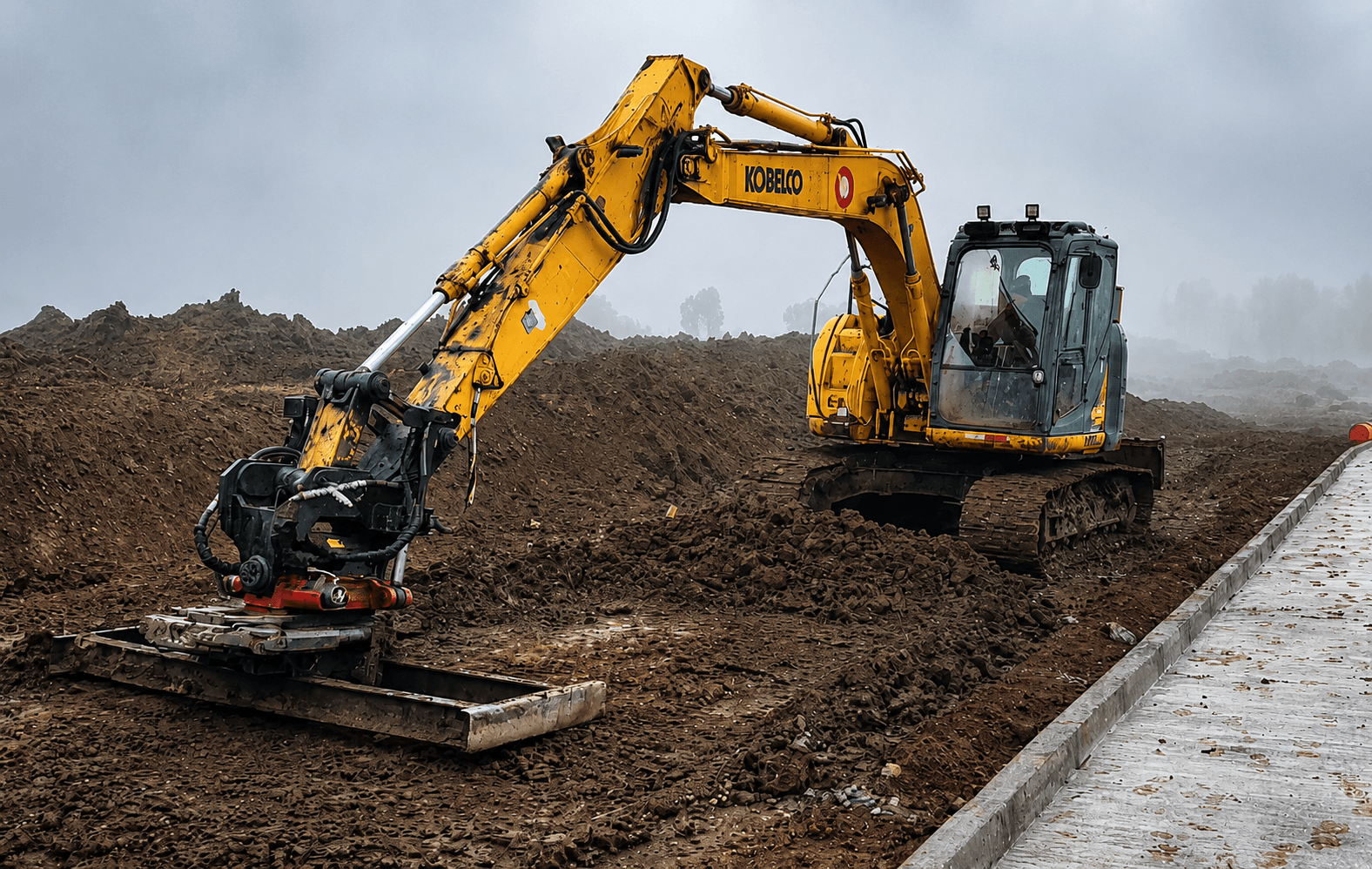
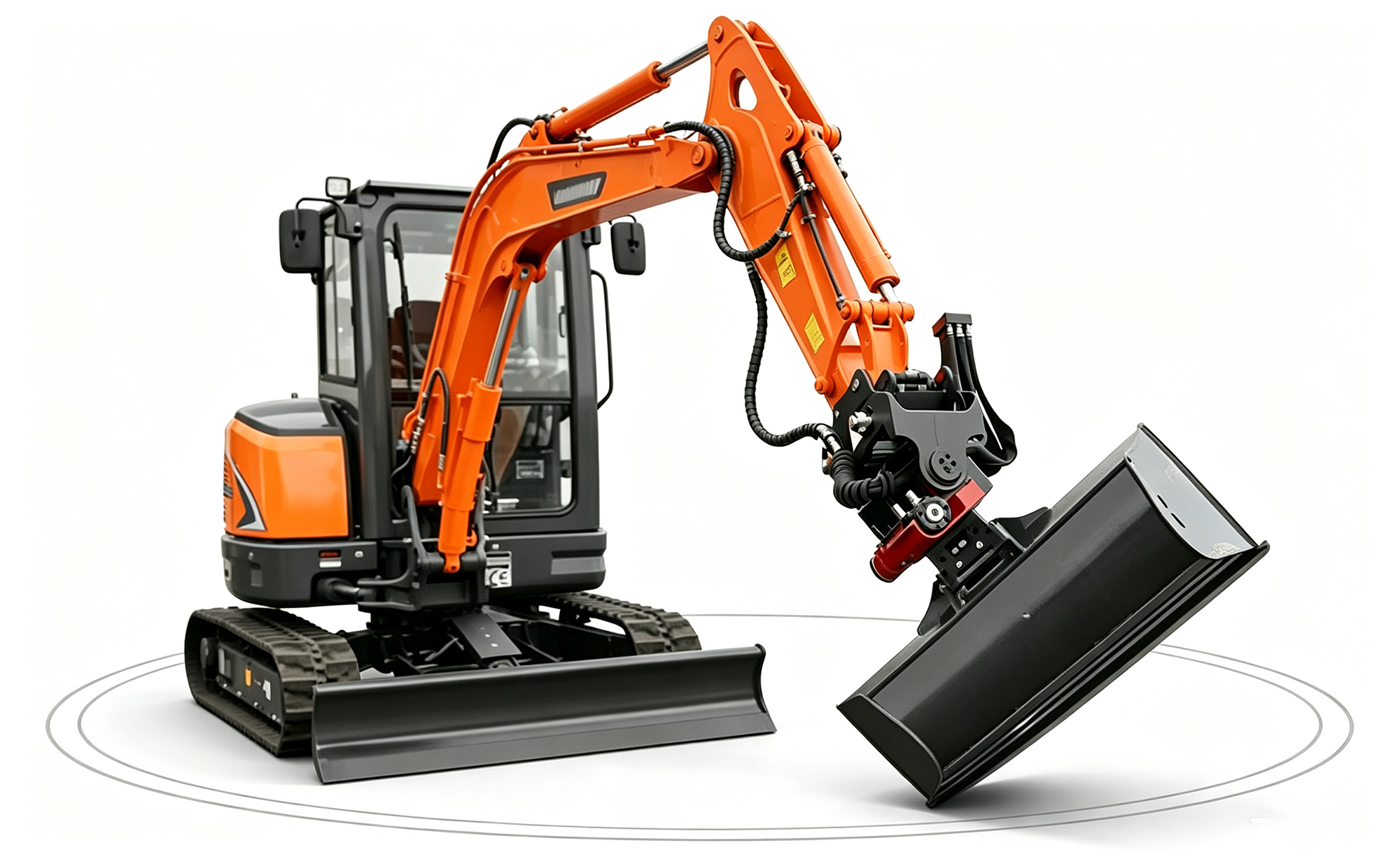
A CATSU tiltrotator adds continuous rotation and bidirectional tilt between the excavator arm and the attachment, allowing compatible buckets to approach the work from a wider range of directions.
Different Buckets Perform Different Tasks
Excavator buckets are normally selected according to the material and operation.
A narrow digging bucket can penetrate compact soil and form trenches. A wide grading bucket can spread material and finish surfaces. A ditch-cleaning bucket can shape drainage channels, while other specialised designs are used for rock, sorting or cable work.
No single bucket is ideal for every task. Contractors therefore often use several excavator bucket attachments on the same carrier.
With a conventional setup, each bucket still follows the basic geometry of the excavator boom and arm. Changing the direction of the cutting edge may require the operator to move the tracks or slew the upper structure.
This repositioning takes time and may disturb prepared ground, particularly when working beside kerbs, foundations, walls or underground services.
What Does a Bucket Tilt Attachment Do?
A bucket tilt attachment adds lateral movement to the working end. Depending on its design, the tilting mechanism may be built into the bucket, installed as a separate coupler or provided by a complete tiltrotator.
A dedicated tilting bucket can be useful when the excavator mainly performs grading and slope-finishing work. The operator can adjust the lateral angle of the cutting edge without moving the entire machine.
However, when the tilting mechanism belongs to one bucket, the movement is lost as soon as that bucket is disconnected.
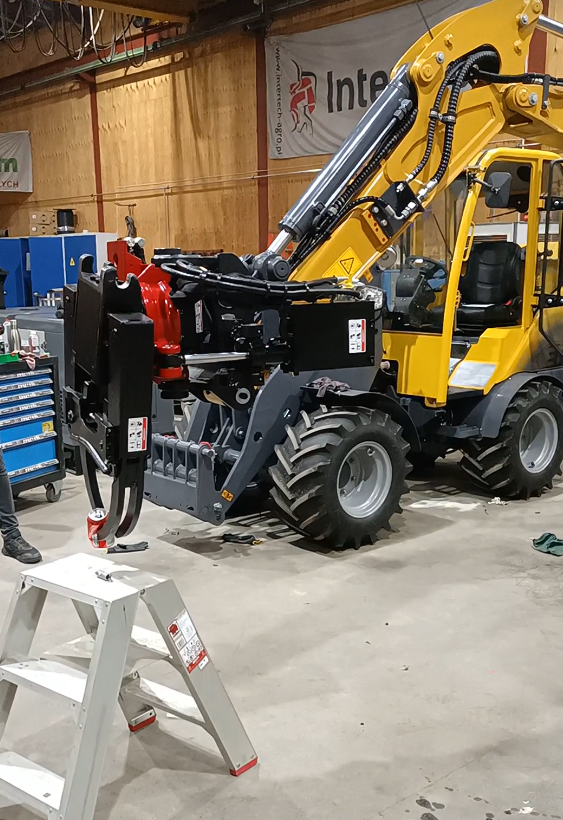
A tiltrotator takes a different approach. It is installed between the excavator arm and the work tool, so compatible attachments below the unit can use the same rotation and tilt functions.
This means digging buckets, grading buckets and other compatible tools can share the enhanced positioning capability.
Rotation Changes the Working Direction
Tilt and rotation solve different positioning problems.
Tilt changes the lateral angle of the attachment. Rotation changes the direction in which the attachment faces.
CATSU tiltrotators provide 360-degree continuous rotation together with up to ±45-degree bidirectional tilt. The operator can therefore direct the bucket towards the work and then adjust its lateral angle to match the required surface.
This can be useful when:
- Excavating beside walls or foundations
- Forming drainage gradients
- Cleaning trench edges
- Grading around inspection chambers
- Spreading aggregate in restricted areas
- Shaping landscape contours
- Working around existing utilities
The objective is not simply to give the bucket a greater range of movement. The practical benefit is the ability to complete more work from a suitable machine position.
Reducing Unnecessary Excavator Movement
Repositioning an excavator involves more than moving the tracks.
The operator must check the surrounding area, avoid obstacles, protect prepared surfaces and establish a stable position before continuing. On narrow streets, residential sites or utility projects, there may be very little room available.
A tiltrotator can reduce machine movements performed only to correct the bucket angle.
The operator can rotate and tilt the attachment from inside the cab, making smaller adjustments while keeping the carrier stationary where conditions permit.
This does not eliminate the need for correct machine positioning. Stability, load limits, visibility and working clearance must always be considered. The efficiency improvement comes from avoiding movements that are unnecessary for safety or reach.
Using Multiple Excavator Bucket Attachments
An excavator may begin a project with a digging bucket, change to a wider bucket for backfilling and finish with a grading attachment.
When these excavator bucket attachments share a compatible interface, a tiltrotator allows them to use the same positioning functions.
This can improve equipment utilisation because the additional movement is not limited to one specialised bucket.
For contractors evaluating a new bucket for excavator work, it is therefore useful to consider the complete attachment system instead of assessing the bucket independently.
Questions should include:
- Which tasks will the excavator perform?
- How often will attachments be changed?
- Is lateral tilt sufficient?
- Is continuous rotation also required?
- Which coupler interface is installed?
- What hydraulic pressure and oil flow are available?
- What are the dimensions and weights of the intended attachments?
The answers help determine whether a fixed bucket, tilting bucket or complete tiltrotator system is the most appropriate solution.
Proportional Control for Accurate Positioning
Movement range alone does not guarantee efficient operation.
Grading and utility work often require small corrections close to finished structures, pipes, cables or specified levels. Sudden attachment movement can create overcutting and additional corrective work.
CATSU proportional control allows the operator to regulate tilt and rotation from the cab. Controlled joystick inputs support gradual changes in attachment angle.
This can help the operator maintain a drainage fall, remove a thin layer of material or follow a changing surface profile.
A complete bucket tilt attachment system should therefore be evaluated by its control response as well as its mechanical movement.
Correct Matching Is Essential
A tiltrotator becomes part of the excavator’s working geometry, hydraulic system and attachment connection.
Correct selection requires confirmation of the carrier model, operating weight, pin dimensions, hydraulic pressure, oil flow, electrical configuration, coupler interface and intended work tools.
Installation height and weight must also be reviewed because they can affect digging geometry, lifting performance and machine handling.
CATSU manufactures tiltrotators for excavators from 1 to 26 tonnes. The range provides 360-degree continuous rotation, bidirectional tilt and proportional control, but the final configuration must be based on the actual machine and application.
Building a More Efficient Working End
Choosing an excavator bucket should not be separated from the way the attachment will be controlled.
A fixed bucket may be sufficient for straightforward excavation. A dedicated tilting bucket may suit machines focused mainly on grading. A tiltrotator offers broader flexibility when several compatible tools require both directional and lateral positioning.
By reducing unnecessary carrier movements and allowing multiple attachments to work from more angles, the tiltrotator can turn the excavator’s working end into a more adaptable system.
Contact CATSU with your excavator model, hydraulic specifications, coupler measurements and attachment list to determine a suitable configuration.
Articulating Excavator Bucket: Improving Control Through Tilt and Rotation
360 Rotating Excavator Bucket vs. Mini Excavator Tilting Bucket: Which System Improves Efficiency?